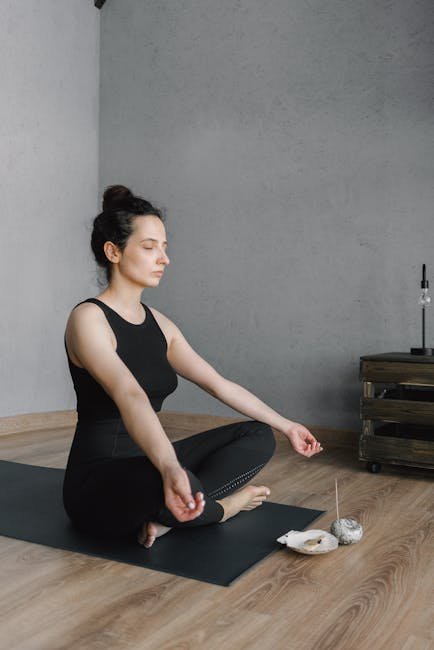
Mindfulness Techniques for Stress Relief: A Comprehensive Guide
Stress has become a pervasive aspect of modern life, impacting our physical and mental well-being. Fortunately, mindfulness, the practice of paying attention to the present moment without judgment, offers a powerful toolkit for managing stress and cultivating inner peace. This article explores various mindfulness techniques, providing practical guidance and insights into their application for effective stress relief.
Understanding the Science of Mindfulness and Stress
Before diving into specific techniques, understanding the physiological impact of stress and how mindfulness counteracts it is crucial. When stressed, the body activates the “fight-or-flight” response, releasing hormones like cortisol and adrenaline. This response, while essential for survival in immediate danger, becomes detrimental when chronically activated. Prolonged stress can lead to a range of issues, including anxiety, depression, cardiovascular problems, and weakened immunity.
Mindfulness helps regulate this stress response by promoting activity in the parasympathetic nervous system, responsible for “rest and digest” functions. Studies have shown that regular mindfulness practice can lower cortisol levels, reduce heart rate, and improve sleep quality, thereby mitigating the negative effects of chronic stress.
1. Mindful Breathing: Anchoring Yourself in the Present
Mindful breathing is often the foundational practice in mindfulness. It involves focusing attention on the sensation of breath entering and leaving the body. This simple act can be incredibly grounding, bringing you back to the present moment when your mind is racing.
How to Practice:
- Find a Comfortable Posture: Sit or lie down in a position that allows you to relax without falling asleep.
- Close Your Eyes (Optional): Closing your eyes can minimize distractions, but it’s perfectly acceptable to keep them open with a soft gaze.
- Focus on Your Breath: Pay attention to the physical sensations of your breath. Notice the rise and fall of your chest or abdomen, the air entering and leaving your nostrils, or the subtle pauses between breaths.
- Acknowledge Wandering Thoughts: It’s natural for your mind to wander. When this happens, gently acknowledge the thought without judgment and redirect your attention back to your breath.
- Start Small: Begin with 5-10 minutes of mindful breathing and gradually increase the duration as you become more comfortable.
Tips for Effectiveness:
- Use a Mantra (Optional): Silently repeating a word or phrase like “inhale” and “exhale” can help maintain focus.
- Experiment with Different Breathing Techniques: Explore diaphragmatic breathing (belly breathing) or alternate nostril breathing to find what works best for you.
- Be Patient: It takes time and practice to develop the ability to focus your attention. Don’t get discouraged if you find it challenging at first.
2. Body Scan Meditation: Cultivating Body Awareness
The body scan meditation involves systematically bringing awareness to different parts of your body, noticing any sensations without judgment. This practice can help you become more attuned to physical tension and discomfort, allowing you to release them more effectively.
How to Practice:
- Lie Down Comfortably: Find a quiet space and lie on your back with your arms at your sides and your legs slightly apart.
- Start with Your Toes: Bring your attention to your toes, noticing any sensations such as warmth, tingling, or pressure.
- Gradually Move Upward: Slowly move your attention up your body, focusing on each body part in turn – your feet, ankles, calves, knees, thighs, hips, abdomen, chest, fingers, hands, arms, shoulders, neck, face, and head.
- Notice Sensations: Pay attention to any sensations you experience in each body part, without trying to change them. If you feel pain or discomfort, simply acknowledge it and breathe into the area.
- Release Tension: As you become aware of tension in a particular area, gently try to relax the muscles in that area.
- End with Whole-Body Awareness: After scanning your entire body, take a few moments to feel your body as a whole.
Tips for Effectiveness:
- Use a Guided Meditation: Numerous guided body scan meditations are available online or through meditation apps. These can be helpful for beginners.
- Don’t Judge Your Experience: There’s no right or wrong way to experience a body scan. Simply observe your sensations without judgment.
- Be Consistent: Regular practice is key to developing body awareness. Aim to practice the body scan meditation at least a few times a week.
3. Mindful Walking: Connecting with Your Senses
Mindful walking transforms a routine activity into a mindful experience. It involves paying attention to the sensations of walking – the feeling of your feet on the ground, the movement of your body, the sights and sounds around you.
How to Practice:
- Find a Quiet Place: Choose a place where you can walk undisturbed, such as a park, a garden, or even your own backyard.
- Start Slowly: Begin by walking at a slow, deliberate pace.
- Focus on Your Feet: Pay attention to the sensations in your feet as they make contact with the ground. Notice the pressure, the temperature, and the texture of the surface beneath you.
- Notice Your Body: Be aware of the movement of your body as you walk. Feel your arms swinging, your legs propelling you forward, and your breath flowing in and out.
- Engage Your Senses: Open your awareness to the sights, sounds, smells, and tastes around you. Notice the colors of the leaves, the sound of birds singing, the scent of flowers, and the taste of the air.
- Return to Your Senses: If your mind wanders, gently redirect your attention back to the sensations of walking.
Tips for Effectiveness:
- Walk in Silence: Avoid listening to music or talking to others during mindful walking.
- Choose a Familiar Route: This will allow you to focus on your senses rather than navigating unfamiliar surroundings.
- Adjust Your Pace: Experiment with different walking speeds to find what feels most comfortable and grounding.
4. Mindful Eating: Savoring Each Bite
Mindful eating involves paying attention to the experience of eating – the appearance, smell, taste, and texture of the food. This practice can help you develop a healthier relationship with food, reduce overeating, and increase your enjoyment of meals.
How to Practice:
- Eliminate Distractions: Turn off the TV, put away your phone, and find a quiet place to eat.
- Observe Your Food: Take a moment to look at your food, noticing its colors, shapes, and textures.
- Smell Your Food: Bring your food to your nose and take a deep breath, noticing the aromas.
- Take a Small Bite: Place a small bite of food in your mouth and savor the taste. Notice the different flavors and textures as you chew.
- Chew Thoroughly: Chew your food slowly and deliberately, paying attention to the sensation of chewing.
- Swallow Mindfully: Notice the sensation of swallowing your food.
- Pause Between Bites: Take a few moments to pause between bites, noticing how you feel.
- Eat Slowly and Deliberately: Avoid rushing through your meal. Take your time and enjoy each bite.
- Pay Attention to Your Hunger Cues: Notice when you start to feel full and stop eating before you’re completely stuffed.
Tips for Effectiveness:
- Start with One Meal a Day: Practice mindful eating with one meal a day to begin with.
- Choose Healthy Foods: Mindful eating can be especially beneficial when applied to healthy, whole foods.
- Be Patient: It takes time to develop mindful eating habits. Don’t get discouraged if you slip up occasionally.
5. Loving-Kindness Meditation (Metta): Cultivating Compassion
Loving-kindness meditation, also known as Metta meditation, involves cultivating feelings of love, compassion, and kindness towards oneself and others. This practice can help reduce stress, improve relationships, and increase feelings of happiness and well-being.
How to Practice:
- Find a Comfortable Posture: Sit or lie down in a comfortable position.
- Begin with Yourself: Start by directing feelings of loving-kindness towards yourself. Silently repeat phrases such as: “May I be well. May I be happy. May I be peaceful. May I be free from suffering.”
- Extend to a Loved One: Next, extend these feelings to someone you love. Visualize them in your mind and repeat the same phrases, substituting “I” with their name.
- Extend to a Neutral Person: Then, extend these feelings to someone you feel neutral about, such as a cashier or a neighbor.
- Extend to a Difficult Person: Next, extend these feelings to someone you find difficult or challenging. This may be the most challenging part of the practice, but it can be incredibly rewarding.
- Extend to All Beings: Finally, extend these feelings to all beings everywhere.
Tips for Effectiveness:
- Start Small: Begin with just a few minutes of loving-kindness meditation each day and gradually increase the duration.
- Focus on the Feeling: The key to loving-kindness meditation is to focus on the feeling of love and compassion, rather than just reciting the words.
- Be Patient: It may take time to develop feelings of loving-kindness, especially towards difficult people.
- Don’t Force It: If you’re struggling to generate feelings of loving-kindness, simply focus on the intention to cultivate these feelings.
By incorporating these mindfulness techniques into your daily life, you can significantly reduce stress, enhance your well-being, and cultivate a greater sense of peace and presence. Remember that consistency is key, and even a few minutes of mindful practice each day can make a profound difference.