Mindfulness Exercises for Beginners: Your First Steps
Mindfulness, the practice of intentionally focusing your attention on the present moment without judgment, offers a powerful antidote to the stresses and distractions of modern life. It’s not about emptying your mind, but rather about observing your thoughts and feelings as they arise and pass, without getting carried away by them. While it may seem daunting initially, mindfulness is a skill that can be cultivated through consistent practice. This guide provides clear, actionable steps for beginners eager to embark on their mindfulness journey.
Understanding the Core Principles
Before diving into specific exercises, it’s crucial to grasp the fundamental principles underpinning mindfulness:
- Present Moment Focus: The cornerstone of mindfulness is anchoring your attention to the “now.” This involves consciously shifting away from ruminating on the past or worrying about the future.
- Non-Judgmental Observation: Observe your thoughts, feelings, and sensations without labeling them as good or bad, right or wrong. Simply acknowledge their presence without engaging in self-criticism or analysis.
- Acceptance: Embrace the present moment as it is, without trying to change or resist it. Acceptance doesn’t mean liking or condoning everything, but rather acknowledging the reality of your experience.
- Patience: Mindfulness is a practice, not a performance. It takes time and consistency to develop. Be patient with yourself and avoid getting discouraged by occasional distractions or setbacks.
- Beginner’s Mind: Approach each moment with a sense of curiosity and openness, as if you are experiencing it for the first time. Let go of preconceived notions and expectations.
Breathing Awareness: Your Gateway to Mindfulness
Breathing awareness is often the first mindfulness exercise recommended to beginners. It provides a readily accessible anchor to the present moment. Here’s how to practice it effectively:
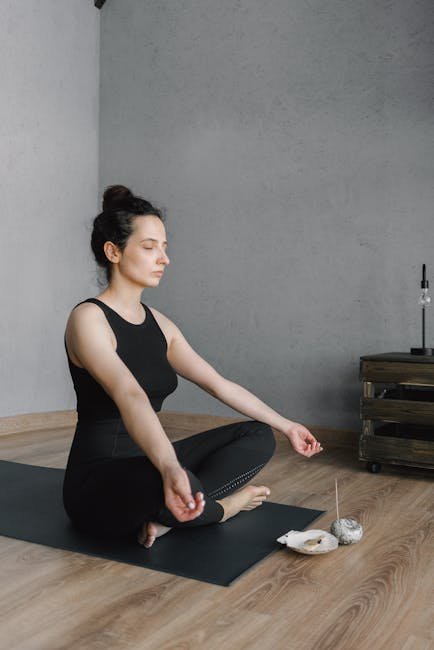
- Find a Comfortable Position: Sit comfortably in a chair with your feet flat on the floor, or lie down on your back. Maintain a posture that is both relaxed and alert. You can also sit cross-legged on a cushion if that feels more comfortable.
- Close Your Eyes (Optional): Closing your eyes can help minimize distractions and enhance your focus, but it’s not mandatory. If you prefer, you can keep your eyes gently open and fix your gaze on a neutral point in front of you.
- Focus on Your Breath: Bring your attention to the sensation of your breath as it enters and leaves your body. Notice the rise and fall of your chest or abdomen, or the feeling of the air passing through your nostrils.
- Observe the Natural Rhythm: Don’t try to control or change your breath. Simply observe its natural rhythm, its depth, and its pace. Allow it to be exactly as it is.
- Acknowledge Distractions: Your mind will inevitably wander. When you notice this happening, gently acknowledge the distraction without judgment.
- Return to Your Breath: Once you’ve acknowledged the distraction, gently redirect your attention back to your breath. Treat this process of distraction and return as an integral part of the exercise.
- Start Small: Begin with short sessions of 5-10 minutes and gradually increase the duration as you become more comfortable. Consistency is key.
- Anchor Point Variations: Experiment with different anchor points for your breath, such as the tip of your nose, the rise and fall of your abdomen, or the sensation in your chest. Find what works best for you.
Body Scan Meditation: Cultivating Embodied Awareness
The body scan is a mindfulness exercise that involves systematically bringing your attention to different parts of your body, noticing any sensations without judgment. This practice helps to cultivate a greater sense of embodied awareness and can be particularly helpful for reducing stress and tension.
- Lie Down Comfortably: Find a comfortable position lying on your back, with your arms resting gently at your sides and your legs slightly apart.
- Bring Awareness to Your Breath: Take a few deep breaths to settle into your body and center your attention.
- Start with Your Toes: Begin by focusing your attention on the toes of your left foot. Notice any sensations that are present, such as tingling, warmth, pressure, or coolness. If you don’t feel anything, that’s okay too.
- Move Upward Gradually: Slowly move your attention up your left foot, to your ankle, your calf, your knee, and your thigh. Continue to observe any sensations that arise in each area.
- Repeat on the Right Side: Repeat the process on your right foot and leg, paying attention to any differences in sensation between the two sides.
- Continue Upward: Continue moving your attention up your body, to your hips, abdomen, chest, back, shoulders, arms, hands, neck, and head.
- Observe Sensations Without Judgment: As you move your attention through your body, try to observe any sensations without judging them as good or bad, pleasant or unpleasant. Simply acknowledge their presence and allow them to be.
- Address Discomfort: If you encounter any areas of discomfort, you can choose to spend a little more time there, gently breathing into the sensation. However, if the discomfort is too intense, it’s okay to move on to the next area.
- Concluding the Scan: When you’ve reached the top of your head, take a few moments to scan your entire body, noticing the overall feeling of your physical form.
- Gradually Return: Slowly bring your awareness back to your breath and then gently open your eyes.
Mindful Walking: Taking Mindfulness on the Move
Mindful walking is a simple yet powerful way to integrate mindfulness into your daily life. It involves paying attention to the sensations of walking, such as the feeling of your feet making contact with the ground, the movement of your body, and the sights and sounds around you.
- Choose a Quiet Location: Find a relatively quiet location where you can walk without distractions. A park, garden, or even a quiet street can be suitable.
- Stand Still for a Moment: Before you begin walking, take a few moments to stand still and feel your feet making contact with the ground. Notice your posture and the way your weight is distributed.
- Start Walking Slowly: Begin walking at a slower pace than usual. This will allow you to pay closer attention to the sensations of walking.
- Focus on Your Feet: Bring your attention to the feeling of your feet as they lift, move forward, and make contact with the ground. Notice the subtle shifts in weight and the pressure in different parts of your feet.
- Coordinate with Breath: You can coordinate your steps with your breath, such as taking one step for each inhale and one step for each exhale.
- Engage Your Senses: In addition to focusing on your feet, you can also engage your other senses. Notice the sights, sounds, and smells around you.
- Stay Present: If your mind wanders, gently redirect your attention back to the sensations of walking.
- Maintain Awareness: Continue walking mindfully for 10-20 minutes, or longer if you wish.
- Transition Gracefully: As you come to the end of your walk, gradually slow down and take a few moments to stand still and reconnect with your body.
Mindful Eating: Savoring Each Bite
Mindful eating involves paying attention to the experience of eating, engaging all your senses to fully appreciate the flavors, textures, and aromas of your food. It’s about savoring each bite and noticing how your body responds.
- Create a Conducive Environment: Sit at a table in a quiet, uncluttered space. Turn off the television and put away your phone.
- Present Your Food: Take a moment to look at your food. Notice its colors, textures, and shapes. Appreciate the effort that went into preparing it.
- Engage Your Senses: Before taking a bite, take a deep breath and notice the aromas of your food. Allow your mouth to water in anticipation.
- Take a Small Bite: Take a small bite of food and place it in your mouth.
- Chew Slowly and Mindfully: Chew the food slowly and deliberately, paying attention to the different flavors and textures as they unfold. Notice how the food feels in your mouth and how it changes as you chew.
- Swallow Consciously: Before swallowing, take a moment to notice the urge to swallow. Then, swallow consciously and feel the food moving down your throat.
- Pause Between Bites: Put your fork down between bites and take a moment to notice how your body feels. Are you still hungry? Are you satisfied?
- Eat Without Distractions: Avoid reading, watching television, or engaging in other activities while you are eating.
- Express Gratitude: At the end of your meal, take a moment to express gratitude for the food and for the opportunity to nourish your body.
Overcoming Common Challenges
Newcomers often encounter challenges. Here’s how to navigate them:
- Mind Wandering: It’s perfectly normal for your mind to wander. The key is to gently redirect your attention back to your chosen focus without self-criticism.
- Restlessness: If you feel restless, try adjusting your posture, taking a few deep breaths, or incorporating movement into your practice (like mindful walking).
- Strong Emotions: If strong emotions arise, acknowledge them without judgment. You can label the emotion (“sadness,” “anger”) to help create some distance. If the emotion becomes overwhelming, it’s okay to pause the practice and seek support.
- Lack of Time: Even a few minutes of mindfulness each day can make a difference. Try incorporating brief moments of mindfulness into your daily routine, such as while brushing your teeth or waiting in line.
- Skepticism: Approach mindfulness with an open mind, but don’t feel pressured to believe anything you don’t. Focus on the direct experience of the practice and let the results speak for themselves.
Remember that mindfulness is a journey, not a destination. Be patient with yourself, practice regularly, and enjoy the process of discovering the benefits of present moment awareness.